Property type: Pub & Bar
Pub and Bar Bridging Loans Norwich
We arrange bridging finance against pub and bar property across the Norwich Lanes, Prince of Wales Road, Tombland, the Riverside and the wider Norfolk licensed-premises market. Loan sizes run £250,000 to £5 million, terms 6 to 18 months, completions in 14 to 28 days. Pub bridging prices 0.95 to 1.4% per month depending on trading position, the licence position and the exit.
- Decisions in hours
- Completion in days
- £100k to £25m
- Norfolk specialists
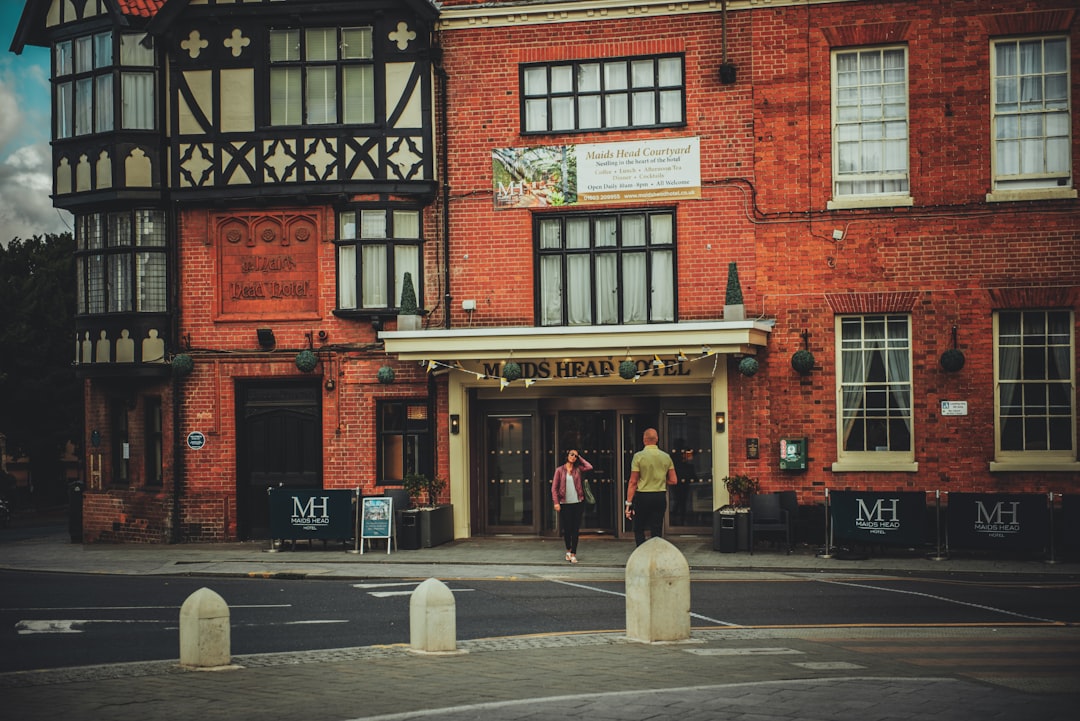
The asset class
What pub & bar property looks like in Norfolk.
Pubs and bars cover free-of-tie and tied-tenancy public houses, late-night bars, micro-pubs and the smaller mixed hospitality-and-retail stock that lines the Norwich Lanes and Prince of Wales Road. Trading-business value drives most of these assets, and the licensing position is fundamental to the valuation. Bridging lenders read for going-concern value, vacant possession value and the alternative-use figure, lending on the lower of going-concern and vacant possession, with a haircut where the trading position is weak or the licence is contested.
Use cases
Bridging use cases for pub & bar assets.
Pub bridging cases include free-of-tie acquisition where the buyer is taking on a pub previously held under a brewery tied arrangement. Acquisition of a closed pub with a clear reopening plan or a change-of-use plan. Refurbishment of a trading pub or bar to upgrade specification and reposition the offer. Change of use from pub to residential or mixed-use, particularly on secondary pubs that have struggled with trading viability. Capital raise against an unencumbered pub freehold to fund the next acquisition or works.
Norwich context
Norwich Pubs, the Norwich Lanes and the Norfolk Coastal Trade
Norwich carries one of the higher per-capita pub densities of any UK city, with a recognised independent-led pub-and-bar identity through the Norwich Lanes, Tombland, the Riverside and Magdalen Street. The city's UNESCO City of Literature designation and the year-round tourism flow around Norwich Cathedral, Norwich Castle and Elm Hill support both the city-centre pub trade and a parallel food-and-beverage market. Prince of Wales Road carries the higher-tone late-night bar economy. Beyond the city, Norfolk's coastal and Broads tourism economy supports a pub-and-bar trade in Cromer, Sheringham, Wells-next-the-Sea, Wroxham, Horning and the wider Broads villages, with seasonal demand patterns and a substantial holiday-let-driven food-and-beverage market. Norfolk's market towns including Wymondham, Diss, Thetford, Dereham and North Walsham carry traditional country-pub stock. Bridging lenders read this market on operator covenant, licence position and trading evidence.
Valuation and lenders
Valuation and lender considerations.
Valuers price pubs on the lower of going-concern and vacant possession value, with the alternative-use figure as a sense check on change-of-use plays. The bridging lender reads for premises licence position, trading evidence, operator track record and the credibility of the refinance or sale exit. Together, Octane Capital and Roma Finance all take pub cases. ASK Partners, Avamore Capital and Aldermore price competitively at the larger end and on mid-market pub-and-restaurant acquisitions.
What we arrange
What we typically arrange.
A typical Norwich pub bridge sits at £400,000 to £1.5 million, 55 to 65% LTV, 9 to 15 months term, 1.0 to 1.3% per month, arrangement fee 1.5 to 2.5%. We package the trading position, the licensing position, the operator covenant and the exit plan up front.
FAQs
Pub & Bar bridging questions
Can we bridge a free-of-tie pub acquisition in Norwich?
+
Yes. Free-of-tie acquisitions in the Norwich Lanes and across the wider Norfolk pub market are a regular part of the book. Lenders need trading accounts where the pub has been operating under the tied arrangement, the licensing position confirmed, and a forward trading plan reflecting the move to free-of-tie pricing. Loans typically run 60% LTV on the lower of going-concern and vacant possession value, exit to a term commercial loan once free-of-tie trading is stabilised.
What about change of use from pub to residential in Norfolk?
+
Change of use from pub to residential or mixed-use is a steady stream, particularly on secondary village and market-town pubs across Norfolk that have struggled with trading viability. The lender reads for the planning position (Asset of Community Value designations can complicate the route), the works budget, and the credibility of the residential exit. Loans typically run 55 to 60% LTV with a works tranche released against monitoring sign-off.
Are bridging lenders willing on closed-pub acquisitions?
+
Yes, with a clear plan. Closed-pub acquisitions sit at the harder end of the pub bridging market. The lender wants a credible reopening plan with operator track record and trading projections, or a credible change-of-use plan with planning consent in hand or in clear sight. Where the asset is acquired purely as a real-estate play with no defined plan, lenders typically decline.
Tell us about the deal
Indicative terms within 24 hours.
A short triage call, then a sized indicative offer against a named lender for your pub & bar property in Norwich or across Norfolk.
Regulated bridging on owner-occupied residential property falls under FCA regulation. Unregulated bridging on commercial and investment property does not. We are not directly regulated by the Financial Conduct Authority, and we introduce regulated cases to authorised partners who carry out the regulated activity.
Next step
Talk to a Norwich pub & bar bridging specialist.
We arrange short-term finance on pub & bar property across Norwich, the City of Norwich unitary authority and the wider Norfolk market. Indicative terms in 24 hours.